All Categories
Featured


Key Ways to Optimize Search Budget Efficiency
Table of Contents
A minimum of one landscape image (1200x628), one square image (1200x1200), one logo (1200x1200), one short heading (30 characters), one long heading (90 characters), and one description (90 characters). Offering the maximum variety of properties offers Google more mixes to test. Lead with your value proposal or offer, not your brand.

Dynamic remarketing ads for ecommerce pull product images, titles, prices, and availability straight from your Merchant Center feed. The quality of your feed directly determines the quality of your dynamic ads.
[target1:anchor_exact1]Titles need to be detailed however not keyword-stuffed. Prices need to be accurate and existing. If a product heads out of stock, your feed must reflect that instantly, otherwise you are serving ads for items users can not buy. Dynamic remarketing paired with a well-kept item feed is one of the most efficient methods to recover deserted carts.
Your remarketing creative need to evolve based on how long ago the user visited. No difficult sell. Remind them why your product or service is worth picking.
Implementing this cadence needs multiple advertisement groups with different membership periods and imaginative sets. It takes effort to set up and keep, however the efficiency difference is considerable compared to running the very same ad to everybody for 30 days straight.
Advanced Performance Marketing Tactics for Succeed During 2026
is the best choice for list building and service organizations where each conversion has approximately equal value. Set your target based upon historical remarketing CPA, not your blended account CPA, due to the fact that remarketing usually transforms at a lower expense. is perfect for ecommerce, where conversion worths vary. Set it based on your actual remarketing ROAS, which must be greater than your prospecting ROAS given that you are targeting warmer audiences.
Setting targets too strongly from the start will limit delivery and avoid the campaign from getting traction. If your remarketing lists are too small to generate 30 conversions each month, Target CPA and Target ROAS will have a hard time. In this situation, usage Optimize Conversions (without a target) and even Manual CPC with boosted CPC made it possible for.
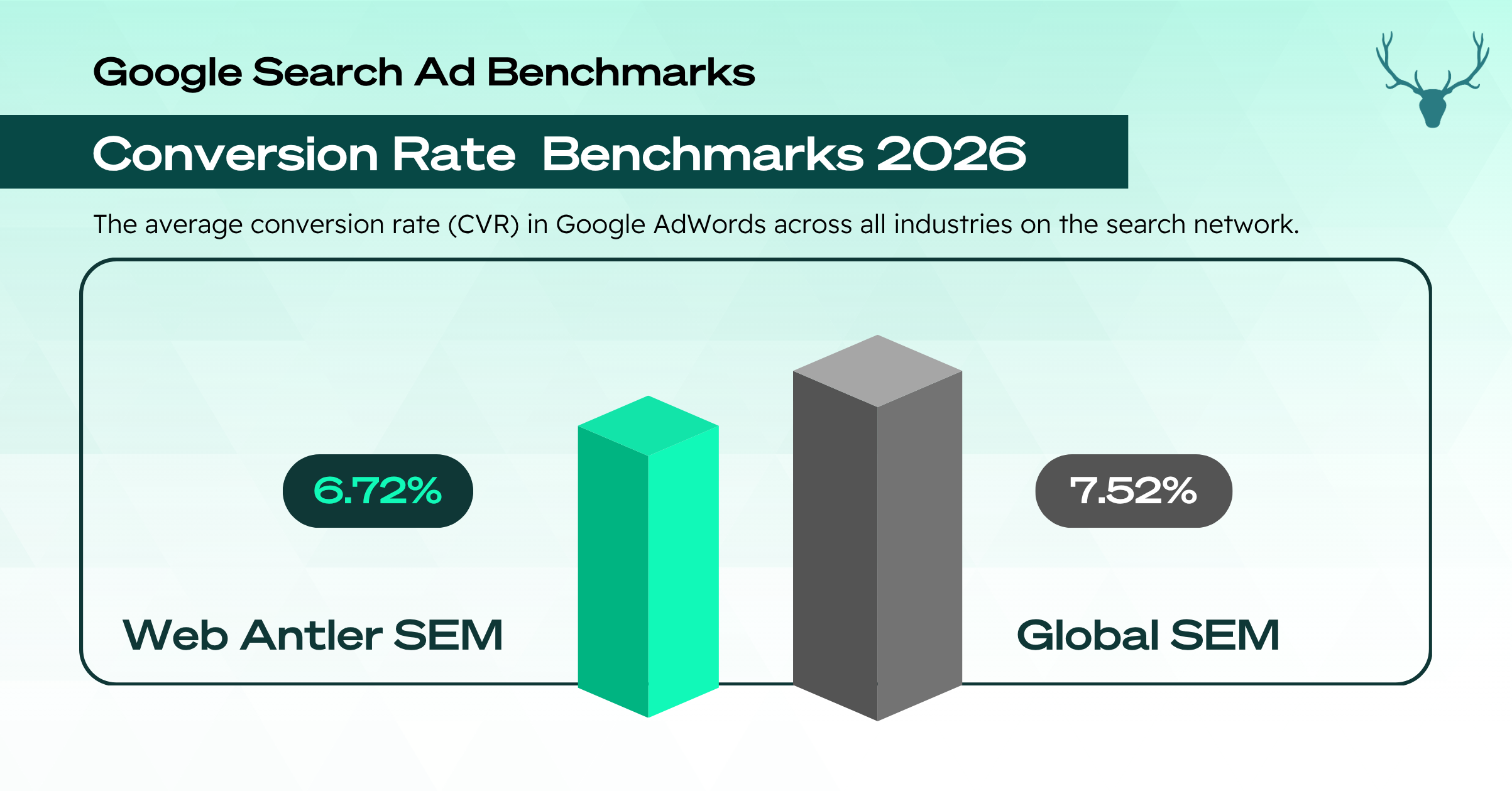
It is less efficient than target-based strategies, however it provides the algorithm versatility when information is limited. As your lists grow and conversion volume increases, shift to target-based bidding. This development is something that needs continuous monitoring, adjusting the bidding method as list sizes and conversion volumes alter week to week.
This is the most disputed metric in display advertising. The honest answer: view-through conversions have value, but they are easily inflated. A user who was going to convert anyway might have passively seen your screen advertisement in a sidebar. Counting that as a full conversion overstates show's contribution. Track view-through conversions individually.
Advanced PPC Strategies for Paid Dominance
Utilize them as a directional signal of display remarketing's influence, not as a hard performance metric. Shorten your view-through conversion window to 1 day (rather of the default 30) to lower sound. Remarketing operates in a multi-touch environment. A user might click a remarketing ad, leave, return through natural search, and after that convert.
For remarketing particularly, think about whether a shorter window (7 to 14 days) gives you a more accurate photo of screen's incremental impact. Utilize the Model Comparison tool in Google Advertisements to compare last-click attribution against data-driven attribution. If remarketing campaigns look significantly different under DDA, it recommends they are playing a help role instead of a last-click function, which is valuable however need to be represented in how you examine efficiency.
Remarketing is operationally requiring. Exclusion lists require upgrading as brand-new conversions come in. A company may review your remarketing projects throughout their weekly check-in.
This is precisely the kind of work that takes advantage of around-the-clock management. When AI representatives monitor your campaigns constantly and make real-time modifications, the compounding effect on remarketing performance is substantial. groas techniques Display remarketing as a fully handled operation, not a set-it-and-forget-it method. When you onboard with groas, your dedicated account manager carries out a complete audit of your Google Advertisements account, including your remarketing setup, audience lists, imaginative possessions, and attribution setup.

Latest Posts
Scaling Paid Growth Performance Across United States
Why Predictive Modeling Lowers Ad CPA

Integrating Predictive Models for Higher Conversion Rates